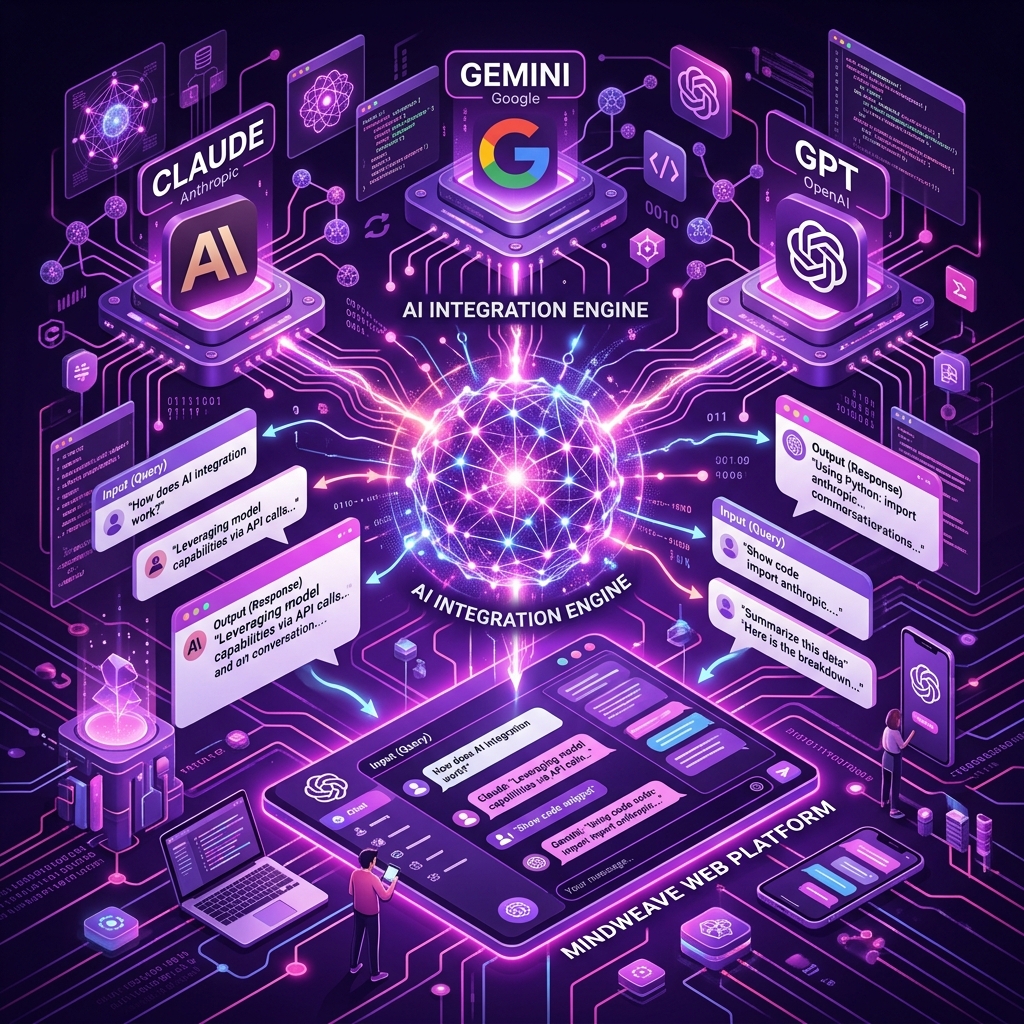

What exactly is Vibe Coding?
Vibe Coding represents a paradigm shift where developers move from manually writing boilerplate code to orchestrating, guiding, and reviewing software built collaboratively with AI agents. Instead of getting stuck in repetitive syntax, developers focus on high-level architecture, user experience, and creative problem solving.
In 2026, modern AI models don't just complete lines of code; they understand whole codebases, execute terminal tasks, test implementations, and polish designs in real-time.
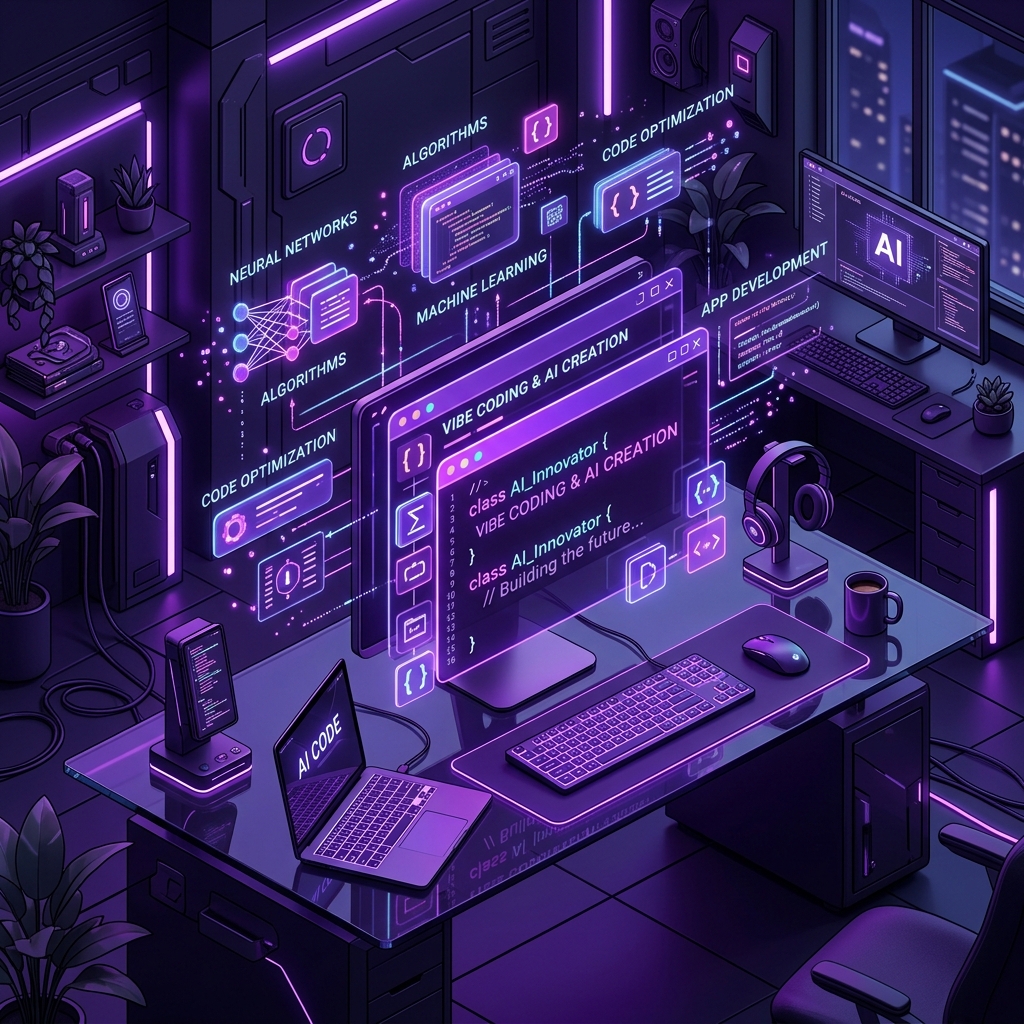
1. The Developer's Role in Vibe Coding
Coding with "vibes" does not mean neglecting quality. It demands sharp technical judgment:
- Writing precise, modular specifications.
- Auditing security, performance, and accessibility of generated code.
- Ensuring maintainable, scalable software design.
js
// Example AI-orchestrated feature workflow with strict TypeScript validation
import { z } from 'zod';

const UserPromptSchema = z.object({
  featureRequest: z.string().min(5),
  context: z.enum(['frontend', 'backend', 'fullstack']),
  priority: z.enum(['low', 'medium', 'high']),
});

export async function processVibeWorkflow(input: unknown) {
  const validated = UserPromptSchema.parse(input);
  console.log(`Executing vibe workflow for: ${validated.featureRequest}`);
  return { status: 'success', timestamp: new Date().toISOString() };
}
2. Best Practices for Vibe Coding
- Break down big features: AI models perform exceptionally well on focused, step-by-step tasks.
- Provide rich context: Supply TypeScript types, system architecture diagrams, and design tokens.
- Iterate with visual feedback: Review generated UI states and refine incrementally.